

News

Practical guide to provitamin B5 moisturizer for fine hair
Caring for your fine hair can sometimes be a challenge, especially when you're looking for a product that moisturizes without weighing it down. In this article, we'll explore the benefits of provitamin B5 and how it can transform your hair care. We'll incorporate natural products from Naturiam, while honoring the richness of Moroccan ingredients. Whether you have kinky, wavy, or curly hair, this guide is for you! Why is provitamin B5 essential for fine hair? Provitamin B5, also known as panthenol, is a key ingredient that plays a crucial role in maintaining hair health. It is known for its moisturizing properties and its ability to penetrate the hair fiber, strengthening the hair structure. Fine hair often requires gentle care. Thanks to its lightness and ability to seal in moisture, provitamin B5 is a key ingredient in preventing frizz while increasing elasticity. This is particularly beneficial for frizzy and wavy hair, providing more definition and shine without compromise. Incorporate a leave-in treatment into your routine Leave-in treatment is a crucial step, especially after using your natural shampoo. It helps keep your hair nourished and protected throughout the day. When you use products enriched with provitamin B5, you're giving your hair deep hydration without feeling heavy. Natural recipe for a homemade leave-in treatment Marshmallow Root Infusion: Start by infusing marshmallow roots for their natural detangling effect. Adding provitamin B5: Add a few drops of provitamin B5 to enrich your treatment. Hibiscus Extract: Add a touch of shine with hibiscus extract. Use this treatment daily for softer, more manageable hair, especially for children's curly hair. The Importance of Natural Shampoo Using a natural shampoo can have a huge positive impact on the health of your hair. Naturiam products incorporate green tea extracts and salicylic acid for a purified, toxin-free scalp. These products are particularly beneficial for preventing sebum buildup, which can weigh down fine hair. Properties of a moisturizing conditioner After washing your hair, applying a conditioner rich in collagen and green caviar can strengthen and nourish your hair. Frizzy hair, which is often drier, greatly benefits from this hydrating boost, while wavy and fine hair benefits from a natural boost of volume. Natural protein care: a need for all hair types Even fine hair needs protein conditioning, but in smaller amounts. A delicate blend of natural proteins helps strengthen hair without weighing it down. Be sure to apply lightly, once a month for optimal results. Tips for styling hair with natural gel Frizzy and wavy hair can benefit from a styling gel made with natural ingredients such as: Aloe Vera Gel: Known for its lightness and ability to maintain hydration. Provitamin B5: Adds shine and strength while maintaining a soft hold. Hairstyles inspired by Moroccan culture Inspired by Moroccan traditions, you can opt for handmade braids that are both aesthetic and protective. Use decorative accessories to add a personal and authentic touch to your style. Conclusion Adding provitamin B5 to your hair routine can transform the appearance and health of your hair. With products inspired by the richness of Moroccan ingredients, like those offered by Naturiam, you can achieve a beautiful mane while respecting your unique hair type. To discover more products to enhance your natural beauty, visit Naturiam. Incorporating natural hair care into your routine has never been easier or more beneficial. Whether you have kinky, curly, or fine hair, there's a natural and effective solution waiting for you. Enjoy every minute you spend nourishing and pampering your locks!
Learn more
Ultimate routine for caring for children's frizzy hair without harsh products
Caring for our children's curly and frizzy hair is a true art, blending gentleness, nature, and tradition. Like many mothers and fathers in Morocco, you're probably looking to protect your children's delicate curls with natural ingredients while preserving their hair health. This guide will help you develop an effective hair care routine with natural products like those from Naturiam. The Importance of Natural Shampoo Shampooing must be gentle, especially for children's fine and fragile hair. A natural shampoo is therefore essential to prevent dryness without compromising cleanliness. Ingredients such as green tea extract and collagen, commonly used in Moroccan products, are ideal for strengthening and moisturizing hair immediately after washing. Delicate Washing Techniques Choose to wash your hair less frequently with a shampoo made with natural ingredients. This helps maintain your hair's natural moisture while preventing dirt buildup. Gently massage your scalp to stimulate blood circulation and promote healthy hair growth. The Secret to Leave-In for Defined Curls Leave-in is a blessing for frizzy and curly hair, especially for children. Applied after washing, it protects, moisturizes, and defines curls without weighing hair down. Imagine the soothing effect of marshmallow roots and the softness of green caviar for healthy curls. Application of Leave-in To maximize its effects, apply the leave-in to damp hair. Section your hair to ensure even application and do not rinse. This product acts as a barrier against dehydration and helps maintain the natural shine of children's curly hair. Conditioner: An Essential Step Don't skip the conditioner step. It's crucial for gently detangling wavy and frizzy hair. Pomegranate and hibiscus extracts in some Moroccan formulas deeply nourish and add an incomparable touch of softness. How to Choose a Natural Conditioner Parents should choose a conditioner rich in provitamin B5 to strengthen and soften hair fibers. Look for products without sulfates, parabens, or silicones to respect the integrity of your little ones' hair. Introduction to Natural Protein Care An occasional natural protein treatment can boost hair strength. The addition of ingredients like green tea extract and provitamin B5 regenerates and strengthens hair structure, making them ideal for weakened, frizzy hair. Styling Gel: For a Perfect Style without a Cardboard Effect The final touch to your routine should include a gentle styling gel that won't damage your hair. Choose a gel without harsh alcohols and enriched with natural ingredients to hold your styles without sacrificing hair health. How to Use the Gel Safely Apply a small amount to damp hair to define curls or control frizz. The gel should follow the natural movement of your hair's texture, without stiffening or weighing it down. Celebrating the Beauty of Natural Hair At the heart of our care, the soul of Morocco is found in each routine. Our traditions teach us the importance of honoring nature in our daily lives. Naturiam products, imbued with this heritage, bring the best of natural ingredients to enhance your children's hair. Discover our artisanal products on our website. Conclusion Caring for our children's curly and kinky hair is an adventure rich in discoveries and traditions. Adopting a natural routine with quality Moroccan ingredients offers a wonderful opportunity to pass these values on to your children while preserving their hair health. By nourishing your young ones' hair in this way, you are connecting with nature, while adopting respectful practices that celebrate the diversity and beauty of each curl.
Learn more
Natural Secrets to Transform Your Wavy Hair with Natural Shampoo
Wavy, kinky, or curly hair possesses a unique beauty that deserves to be celebrated and cherished. If you're looking for natural ways to transform and enhance your hair, while taking a health-conscious and environmentally friendly approach, you've come to the right place. In this article, we'll explore the secrets of natural hair care tailored to your waves, with a special focus on Naturiam 's natural products. Why Choose a Natural Shampoo? Taking care of your hair starts with choosing the products you use. Natural shampoo is a great option for anyone looking to avoid the harsh chemicals often found in conventional hair products. Natural ingredients respect the delicate structure of your curls while providing them with the nutrients they need to stay healthy and vibrant. The Benefits of Natural Ingredients Our formulas are enriched with powerful and nourishing ingredients such as marshmallow root, green caviar, collagen, green tea extract, and hibiscus. Each element plays a vital role in ensuring your hair receives the attention it needs: Marshmallow Root : This plant is known for its softening and moisturizing properties, ideal for dry or damaged hair. Green Caviar : A rich source of vitamins and minerals, it ensures continuous hydration and strengthens the hair structure. Collagen : Known for its ability to restore elasticity and volume to fine hair, it is an essential ally for fragile lengths. Green Tea Extract : This powerful antioxidant helps protect the scalp and stimulates hair growth. Hibiscus : Used extensively in Moroccan hair care, hibiscus promotes shine and suppleness to hair. The Art of Using a Natural Shampoo Prepare for a revitalizing experience by switching to a natural shampoo. Here are some tips to maximize its effect: Soothing Massage : Take the time to gently massage your scalp to stimulate blood circulation and strengthen the health of your hair. Thorough Rinse : Use lukewarm water to thoroughly remove all impurities, without damaging your curls. Conditioner Routine : Don't forget to apply a natural conditioner to lock in moisture and prevent tangles. Transform Your Routine with a Natural Leave-In and Protein Treatment Regular use of a leave-in and natural protein treatment is essential to nourish and define your wavy hair. These products provide additional protection against external aggressors and promote rehydration after washing. The Power of Leave-In A leave-in acts as a shield for your hair. It makes styling easier and prolongs the moisturizing effect of your shampoo. Simplify your hair routine by opting for a leave-in enriched with provitamin B5, which softens and maintains the texture of your curly hair, especially for children who need gentle care. Natural Protein Treatment: For Stronger Hair Incorporating a protein treatment is crucial for restoring the strength and elasticity of your damaged hair. Enriched with salicylic acid, it helps prevent hair loss and stimulates the growth of your strands. Styling Tips for Wavy Hair A natural styling gel is your best friend for defining and maintaining your curls all day long. Choose a gel that respects your hair fiber and ensures a sleek, long-lasting style without the stiffness. Adapt Your Style to Your Curl Type Frizzy Hair : Treat yourself to intensive hydration with a weekly mask. Ingredients like green caviar strengthen and nourish even the most unruly strands. Wavy Hair : Highlight the lightness of your waves by applying a leave-in treatment. Opt for cuts that enhance the naturalness of your waves. Fine Hair : Learning how to style fine hair is all about adding volume. Incorporate collagen into your routine to achieve fuller, more voluptuous hair. Moroccan Culture and Curly Hair Moroccan culture is rich in hair care traditions utilizing prestigious natural ingredients. The use of argan, rhassoul, and hibiscus reflects the Moroccan passion for naturally sourced body care. Let yourself be tempted by Naturiam Discover the complete range of natural hair care products on our website and transform your hair routine into a true beauty ritual. Trust nature and our Moroccan products to enhance your curls day after day. By adopting these tips, rest assured that your wavy, curly, or kinky hair will reveal its full splendor. Take a gentler, more natural, and effective approach with a natural shampoo, and see the difference in every wave. Embrace the beauty of your curls and celebrate every moment with a style that reflects your personality. 🌿
Learn more
Essential Guide to Using Leave-in on Frizzy Hair
Kinky and curly hair, with its unique texture, requires special attention to stay healthy and defined. Among the many products available in the hair care arsenal, leave-in is often underestimated. This versatile product is essential for maintaining moisture and protecting your hair from external aggressors. In this guide, we'll explore how leave-in, along with other natural products like flaxseed gel and natural shampoo, can transform your hair routine. The Magic of Leave-in Leave-in conditioner, sometimes called a leave-in conditioner, is a vital product for frizzy and curly hair. Why? Because it helps seal in moisture, soften hair, and reduce frizz. Regular application helps detangle your hair stress-free while protecting it from breakage and dryness. How to Use Leave-in Prepare Your Hair : Start with a natural shampoo that cleanses without stripping your hair of essential oils. Products like Naturiam, enriched with marshmallow root or green tea extract, are ideal for this. Leave-in Application : After lightly towel-drying your hair, apply a generous amount of leave-in from root to tip. For optimal results, focus on the driest areas. Using Moroccan Techniques : Borrow techniques from the traditional Moroccan hammam by wrapping your hair in a warm towel after application. This helps the product better penetrate the hair fiber. Incorporate Gel into Your Routine Gel is a must-have for defining curls without weighing hair down. Rich in green tea, this gel creates a protective barrier against environmental stressors while maintaining moisture. Positive Changes with Natural Protein Care Incorporating natural protein treatments is crucial for preserving your hair's structure. Fine hair can benefit from a treatment enriched with collagen or provitamin B5, which increase resilience without compromising texture. How to Care for Wavy and Curly Hair for Kids Children's wavy and curly hair require just as much care to prevent problems like tangles and dryness. Use natural products that don't contain harsh chemicals. Ingredients like hibiscus help maintain softness and promote healthy growth. When to Use Conditioner on Frizzy Hair Conditioners are ideal in conjunction with a leave-in, especially for frizzy hair that needs a little extra love. Look for formulas with green caviar or salicylic acid for exceptional antifungal and moisturizing properties. Why Choose Products Designed in Morocco Using products made in Morocco, such as those offered by Naturiam, guarantees the best quality from nature. Local ingredients are carefully selected to meet the specific needs of textured hair. Conclusion By incorporating leave-in treatments, flaxseed gel, and natural products into your hair routine, you're giving your hair the attention and nourishment it deserves. Caring for kinky hair isn't just a beauty routine; it's also a celebration of your unique hair type. For natural formulas inspired by ancestral know-how, explore Naturiam's offerings to transform your locks today. For a complete range of hair care inspired by Moroccan nature, visit Naturiam.
Learn more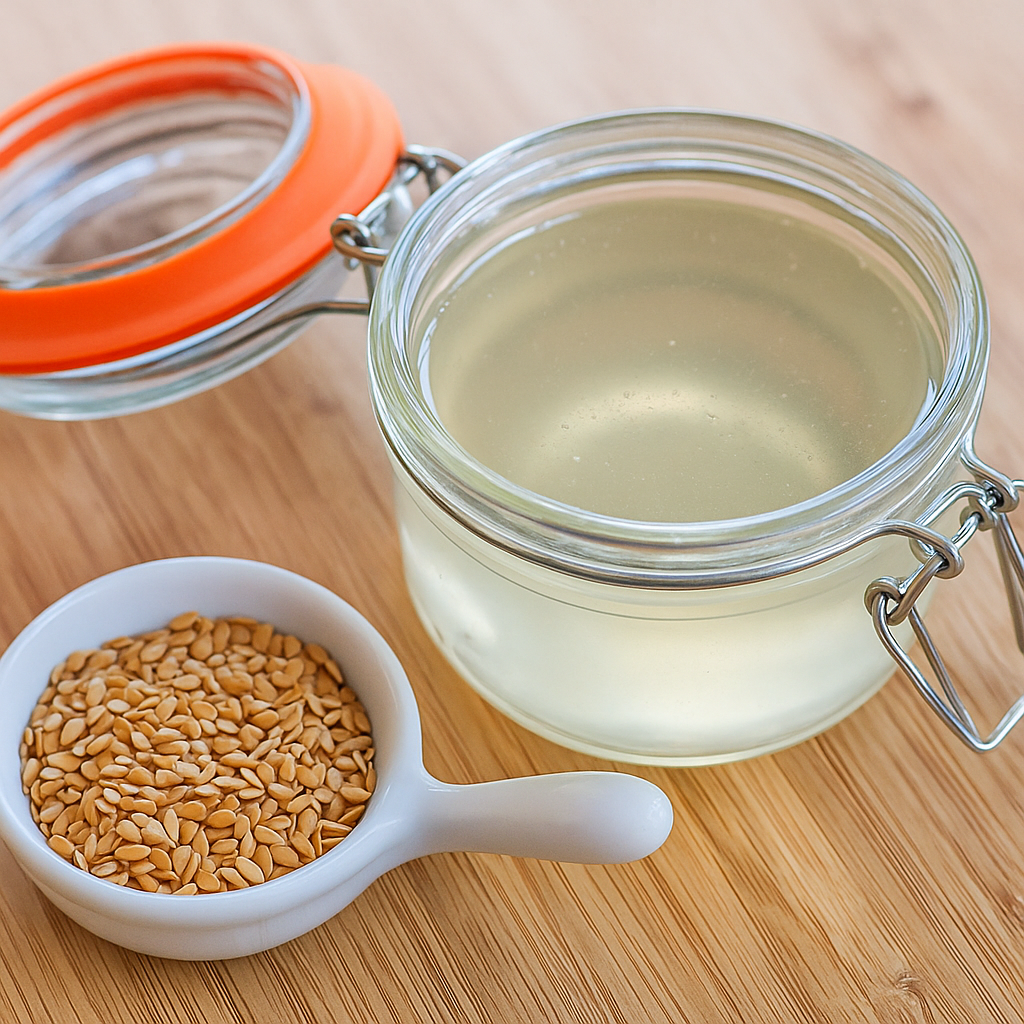
Moroccan Secrets for Sublime Curls with Flaxseed Gel
Natural curls and waves have their own magic. However, to reveal their full beauty, natural hair care is essential. Morocco, with its rich culture and ancient beauty traditions, offers us incredible secrets to enhance this unique and beautiful hair. In this article, we will explore how flaxseed gel, combined with other natural ingredients, can transform your curls while embracing Morocco's natural bounty. The Importance of Natural Care for Curly Hair Caring for your waves shouldn't be a chore; rather, it should be a celebration of your natural roots. Kinky, wavy, or fine hair requires a gentle routine that enhances its texture and beauty. Switching to a routine with natural products like natural shampoo and conditioner helps maintain the integrity of your curls while deeply nourishing them. The Treasures of Morocco Morocco is renowned for its natural beauty and traditional practices, particularly when it comes to hair care. Colorful markets from Marrakech to Fez are brimming with majestic ingredients such as argan oil, marshmallow roots, and green tea extract, the latter a powerful antioxidant beneficial for hair. Incorporating these wonderful ingredients into your hair care routine will reveal softness and shine in your locks. Flaxseed Gel: Liquid Gold for Your Curls Flaxseed gel is a wonderful natural product for defining and maintaining your curls without weighing them down. Rich in omega-3 and vitamin E, this gel adds shine and definition while preventing frizz. Applying it after a conditioner specifically for curly hair, whether for children or adults, will naturally revitalize your texture. Why Flaxseed Gel? Deep Hydration : Thanks to its hydrating properties, it prevents dehydration and dry ends. Definition and Flexibility : Ideal for structuring your curls while keeping them supple. Naturally Clean : It does not weigh down and leaves no residue, perfect for fine hair . Natural Hair Routine with Flaxseed Gel Let’s put together a complete Moroccan routine to take advantage of the best of nature: Step 1: Wash Use a natural shampoo that gently cleanses without stripping essential natural oils. Look for products enriched with hibiscus and salicylic acid for a healthy scalp. Step 2: Condition A nourishing conditioner enriched with provitamin B5 and collagen will add the elasticity and resilience needed for bouncy curls. Step 3: Apply Flaxseed Gel Once your hair is lightly towel-dried, apply the flaxseed gel, gently scrunching your locks to enhance your curls. Step 4: Leave a Treatment A leave-in with green caviar and marshmallow roots ensures continuous hydration, preventing dryness and promoting curl vitality throughout the day. Children and Curly Hair: A Gentle Approach Caring for children's curly hair requires gentle and natural products. Flaxseed gel is perfect for their delicate hair. Pair it with products enriched with natural extracts for a no-compromise solution for little ones. Natural Protein Treatment: The Key to Revitalized Curls Sometimes hair needs an extra boost. Incorporate a natural protein treatment once a month to maintain the strength and vitality of your curls. The gentle nourishment provided by plant-based proteins like those found in quinoa or peas will strengthen your hair from the inside out. Conclusion Morocco's secrets, harnessing the power of flaxseed gel and other natural ingredients, offer a respectful and rich approach to curly hair beauty. Embrace the beauty of your curls with products that reflect the natural bounty of Moroccan soil. To discover products inspired by Morocco's natural treasures, visit naturiam.ma. This blog guides you through using natural products to curl your hair in the most sumptuous and natural way possible, drawing inspiration from the cultural practices of Morocco and its richly beneficial ingredients.
Learn more
List of essential accessories for curly hair hairstyles
Curly hair is beautiful, but it requires special care to keep its curls defined and frizz-free. To help you get the most out of your curls, here's a list of essential accessories for curly hair styling. Each of these accessories will play a key role in your hair care and styling routine. 1. Wide-toothed comb A wide-tooth comb is essential for detangling curly hair without breaking it. The widely spaced teeth allow you to work through curls without disturbing their shape. To avoid frizz, use this comb on damp hair. It will help evenly distribute products like the Marshmallow Light Leave-In, a leave-in treatment that nourishes your curls without weighing them down. 2. Natural bristle brush A natural bristle brush is ideal for gently smoothing curly hair and minimizing frizz. It's especially good for styling dry hair, giving it a shiny, silky appearance. This brush can be used before applying a hair mask, such as the Mask for Brittle Hair, to prepare your hair for a deep nourishing treatment. 3. Diffuser To achieve optimal drying without compromising the natural shape of your curls, a diffuser is essential. This accessory attaches to your hair dryer and distributes air more gently and evenly, which is more respectful of your curls. Before drying your hair, remember to wash it with a gentle aloe vera shampoo to ensure optimal hydration. 4. Protective cap Silk caps or protective bonnets are perfect for preserving your curls overnight. Silk reduces friction and prevents breakage, while maintaining the moisture in your curls. This is an essential item for anyone who wants to wake up with defined curls. 5. Hairpins and clips It's always useful to have hairpins and clips for different types of hairstyles. They're ideal for creating stylish styles without using heat. Avoid metal clips if possible and opt for plastic-coated ones to avoid damaging your hair. 6. Metal-free elastics Curly hair tends to tangle easily with traditional metal elastics. Metal-free elastics are gentle on hair and won't cause breakage or weaken the curl structure. They provide a firm hold without leaving marks. 7. Cotton T-shirt or microfiber towel To dry your hair after washing, opt for a cotton t-shirt or microfiber towel. They absorb excess water while minimizing frizz caused by conventional towels. Drying your hair gently helps keep your curls defined and undisturbed. 8. Water spray A water spray bottle is one of your favorite tools for curly hair. Spritzing a little water on your hair can revive your curls between washes. You can add a few drops of your favorite leave-in conditioner for extra nourishment and shine. Conclusion Optimizing your curly hair care starts with choosing the right accessories. Each of the elements mentioned above plays an important role in keeping your curls healthy and shiny. Don't forget to incorporate the right treatments, such as Clarifying Shampoo, for a deep cleanse when needed. For more beauty tips and hair products, feel free to visit our website. These accessories will definitely make a significant difference in your daily hair routine, allowing you to enhance the natural beauty of your curly hair.
Learn more
Common problems with curly hair in children: solutions and tips
Curly hair in children is beautiful and unique to their personalities, but it often comes with its own set of challenges. As parents, it's essential to know how to care for their curls to preserve their natural beauty and prevent common problems. In this article, we'll discuss common problems children with curly hair face and offer solutions and tips to overcome them. Also, discover natural products that can help you with this delicate task. For more resources on natural hair care, visit our Naturiam website. Common problems with curly hair in children Difficult to detangle One of the main problems with curly hair is detangling. Curls can easily become tangled, making styling difficult and sometimes painful for the child. Improper detangling can also lead to breakage and split ends. Solution: Use a wide-tooth comb and be sure to detangle wet or damp hair to prevent breakage. Apply a leave-in conditioner to help relax curls and make detangling easier. We recommend a Curly Hair Leave-in, which softens and moisturizes curls. Drought Curly hair tends to be drier than other hair types. This is due to its texture, which prevents the scalp's natural oils from being distributed to the ends. Solution: Make sure your child's hair is well-hydrated. Using a moisturizing product like the Marshmallow Lightweight Leave-In can help seal in moisture and give curls a healthy, shiny look. Additionally, incorporate a regular hair care routine with tailored products like the Curly Hair Routine. Breakage and split ends Curly hair is more prone to breakage and split ends due to its fragile structure. Solution: Trim your ends regularly to prevent split ends. Using enriched products, such as the Collagen and Green Caviar Leave-in, strengthens the hair fiber and prevents breakage. Frizz Frizz is another common problem with curly hair, especially in humid environments or during rainy weather. Solution: Apply a small amount of serum or lightweight oil to tame frizz without weighing hair down. Avoid excessive manipulation after washing to minimize frizz. Hair loss Although it may be less common, some children may experience hair loss issues related to breakage or poor hair nutrition. Solution: Make sure your child's diet is rich in essential nutrients. Discover gentle, natural products specially designed for youngsters, such as the Kids' Curly Hair Kit, which gently strengthens and nourishes children's delicate curls. Additional Hair Care Tips Use satin pillowcases to reduce friction and prevent hair breakage while sleeping. Avoid excessive heat . Let it air dry as much as possible or use a hairdryer with a diffuser on low heat. Encourage a balanced diet , rich in vitamins and minerals like omega-3 fatty acids, which are beneficial for hair health. Caring for your child's curly hair can seem like a daunting task, but with the right products and practices, it can become a simple and stress-free routine. Remember, good care starts with loving and accepting your child's beautiful curls. To discover other products ideal for naturally curly hair, visit our Naturiam website.
Learn more
Step-by-Step Guide to Detangling Your Kids' Curly Hair
Caring for your children's curly hair can be a real challenge. Tangled curls and the resulting tears are often unavoidable. However, with the right method and products, it's possible to make detangling less painful and improve your little ones' hair health. In this detailed guide, we'll offer a multi-step approach to taming your children's curls, making the experience enjoyable for both you and your children. Why does curly hair require special attention? Curly hair differs from other hair types in its structure. Curls create stress points along the hair fiber, making it more prone to breakage, tangles, and dryness. Your children's hair therefore requires gentle, moisturizing, and special care. Fortunately, with the right care routine, you can maintain the natural beauty of your children's curls. Step by step: successful detangling Step 1: Clean gently Start by washing your child's hair with a mild shampoo. Choose a product formulated for curly hair to avoid drying it out. Rinse thoroughly with warm water. Step 2: Apply a detangling conditioner Immediately after washing, apply a detangling conditioner. We suggest using Ceramide Detangling Conditioner, which helps strengthen and smooth hair while making detangling easier. Leave on for a few minutes before rinsing thoroughly. Step 3: Use a leave-in conditioner Applying a leave-in conditioner is essential for hydrating and defining curls. Opt for the lightweight Marshmallow Leave-in if your child has fine hair, or choose the Collagen & Green Caviar Leave-in for added protection and shine. Step 4: Carefully detangle Use a wide-toothed comb or your fingers to gently detangle your hair. Start at the ends and work your way up to the roots. Be patient and avoid pulling on knots to avoid breakage. Apply a little more leave-in product if needed to help detangle. Step 5: Define the curls After detangling your hair, use a gentle children's gel to set and define your curls. Children's Gel is ideal for this step. It holds curls in place without leaving any sticky residue or frizz. Step 6: Protect while sleeping Overnight hair can easily become tangled again. Protect curls by covering your child's hair with a satin bonnet or using a satin pillowcase to minimize friction and seal in moisture. Additional tips for maintaining healthy curls Regular hydration : Curly hair needs constant hydration. Use a quality leave-in conditioner regularly. Trim the ends : About every three months, trim the ends of your children's hair to eliminate split ends and promote healthy growth. Avoid harsh products : Avoid products containing sulfates, parabens, and non-soluble silicones that can damage curly hair. Proper Routine : Follow a proper Curly Hair Routine to maintain the integrity and shine of your child's curls. By following these steps and using the right products, you can transform detangling curly hair from a dreaded ordeal into a pleasant and positive experience. To learn more about our products and other hair care tips, visit Naturiam.ma.
Learn more
Common Questions About Sulfate-Free Shampoos Debunked
These days, sulfate-free shampoos are gaining popularity thanks to their reputation for being gentler on hair and scalp. However, many questions remain regarding their effectiveness and benefits. In this article, we'll answer the most common questions to help you understand why these products can be a great choice for your hair. What is a sulfate-free shampoo? Sulfates are powerful cleansing agents commonly found in many hair care products. While effective at removing oils and dirt, they can sometimes be too harsh, especially for color-treated or chemically treated hair. A sulfate-free shampoo uses gentler alternatives that cleanse without stripping hair of its natural oils. Why choose a sulfate-free shampoo? Respect for Color-Treated Hair : Sulfate-free shampoos help preserve color vibrancy. Sulfates tend to cause hair color to fade more quickly, which is not the case with sulfate-free formulas. Less Irritation : For those with sensitive scalps, sulfate-free shampoos can reduce the risk of irritation and dryness. Moisture Preservation : By preventing excessive washing of natural oils, these shampoos keep hair moisturized and healthy. Do sulfate-free shampoos lather? One of the most common myths is that sulfate-free shampoos don't lather well. While they don't produce the rich lather you might expect from traditional shampoos, they clean just as effectively. The lather is cosmetic only and doesn't indicate the product's cleaning ability. Who should use sulfate-free shampoo? Kids : For younger children, a sulfate-free wash duo like our Kids Wash Duo is ideal for a gentle, irritation-free routine. Curly or Wavy Hair : Textured hair benefits greatly from sulfate-free products that help prevent frizz while maintaining curl definition. Try our Curly Hair Leave-in. Fine Hair : Because sulfates can weigh hair down, those with fine hair may want to opt for a lightweight marshmallow leave-in to maintain volume and lightness. Mature Hair : Using an enriched shampoo like Collagen Shampoo can provide anti-aging benefits to aging hair. What ingredients replace sulfates? Sulfate-free shampoos are formulated with gentle cleansers such as cocamidopropyl betaine or lauryl glucoside. These ingredients are derived from natural sources and are known for their gentleness. Can I alternate between a traditional shampoo and a sulfate-free one? Yes, you can alternate between these two types of products. It's a good idea for people who want to deep cleanse occasionally while enjoying the benefits of a gentle shampoo on other days. Can we find complementary care products without sulfates? Absolutely! Besides shampoos, some leave-in products, like our Collagen and Green Caviar Leave-in, enhance hair care without using sulfates. Conclusion Sulfate-free shampoos are an excellent alternative for those looking for gentle cleansing without compromising the health of their hair. They are particularly recommended for color-treated, textured, sensitive, or mature hair. To learn more about the products that suit your specific hair needs, we invite you to visit Naturiam.ma. Adopt hair care that respects the nature of your hair!
Learn more