Type:
Curly Hair Routine
Type:
Curly Kids Bundle
Type:
Routine for Wavy Hair, Fine Hair
Type:
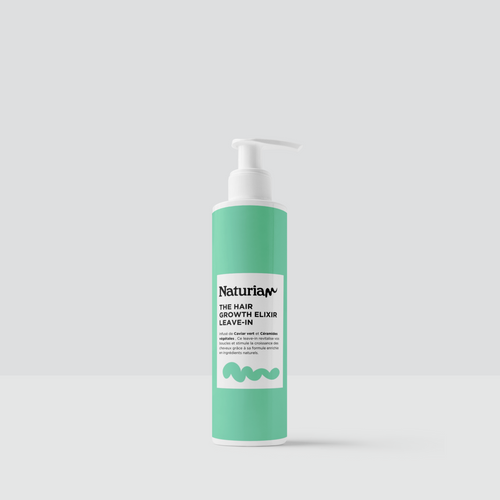
Leave-in curly hair
Type:
Protein Hair Care / Routine for Coily or Colored Hair
Type:
Curly Kids Bundle
Type:
Curly Hair Routine
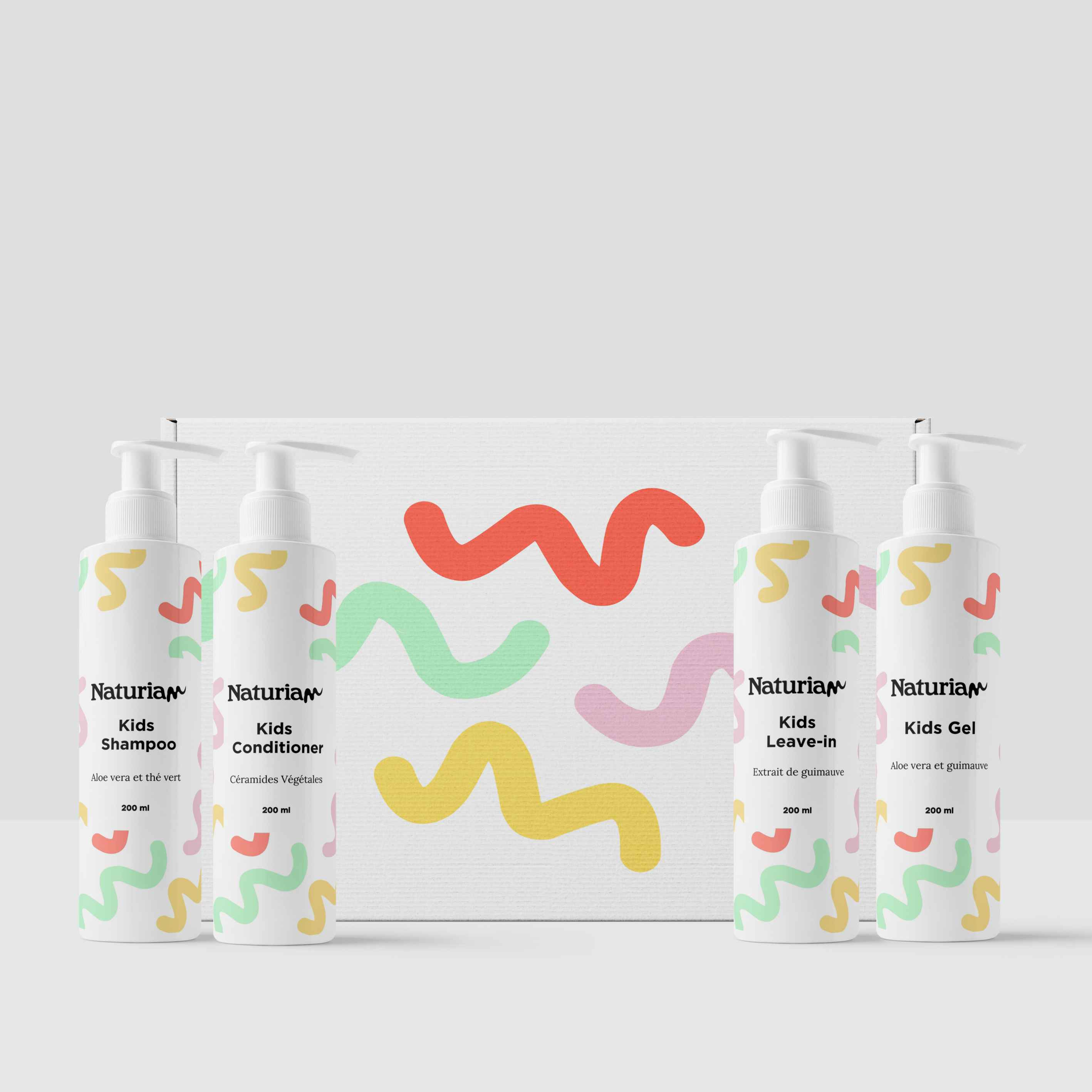
Type:
Routine for Wavy Hair, Fine Hair
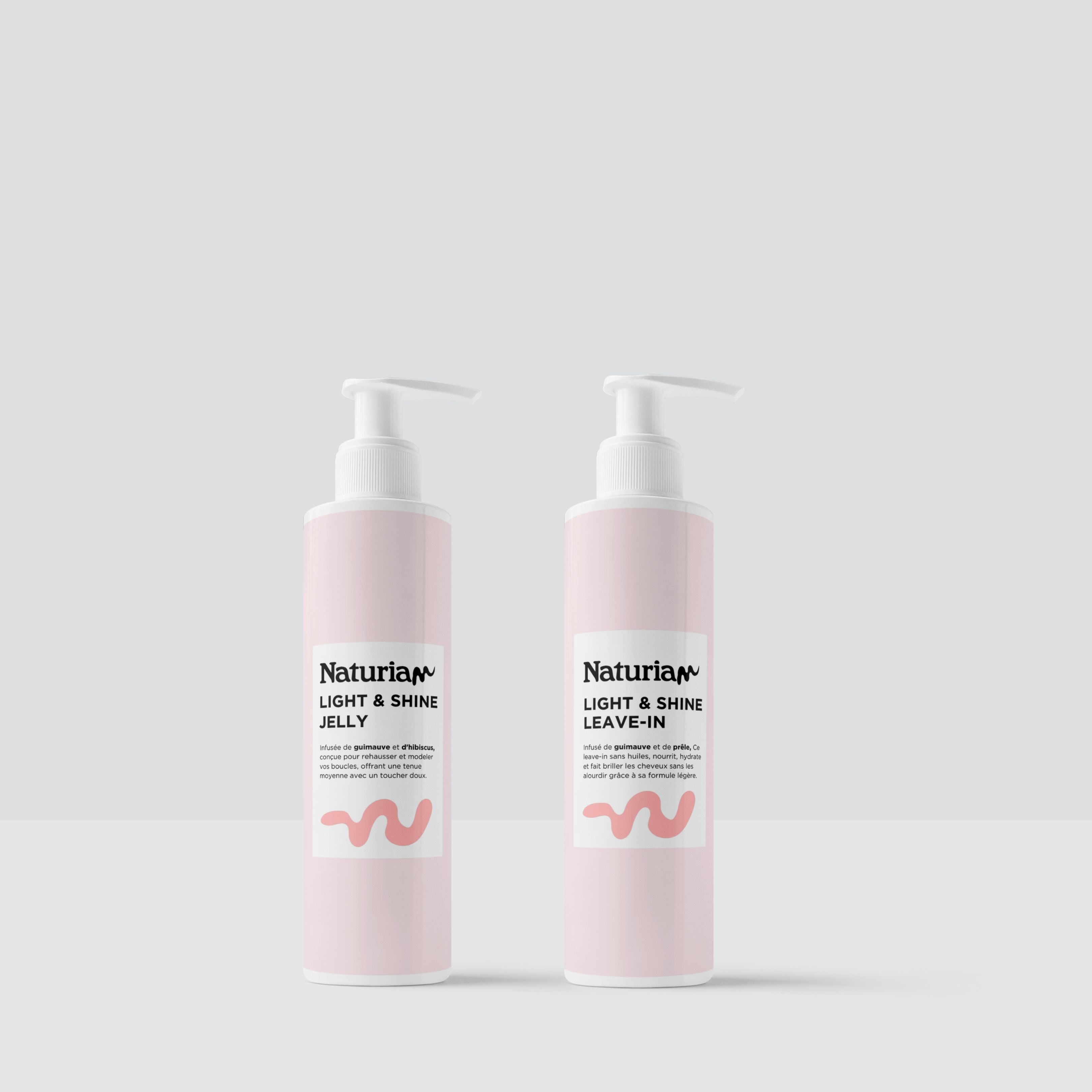
Type:
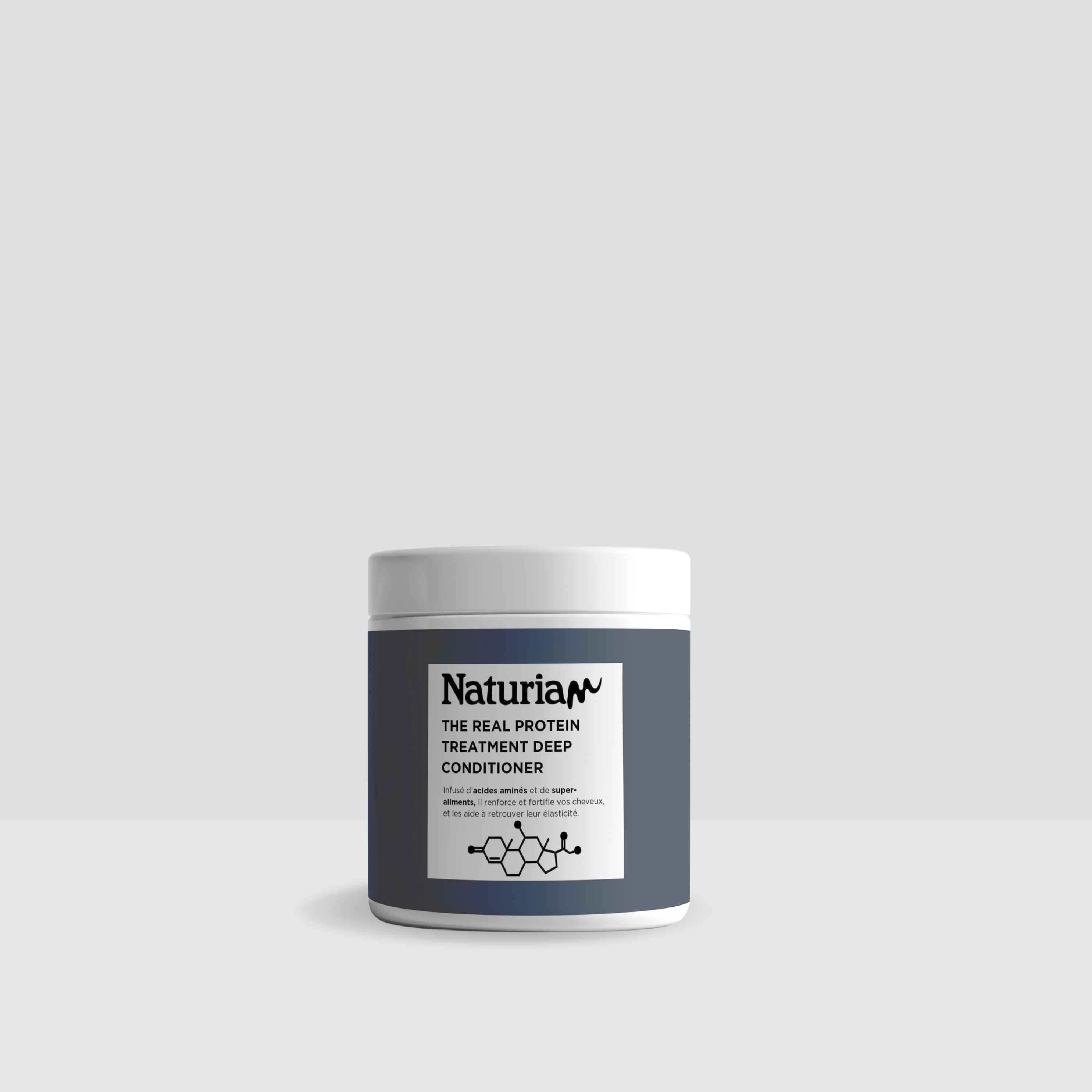
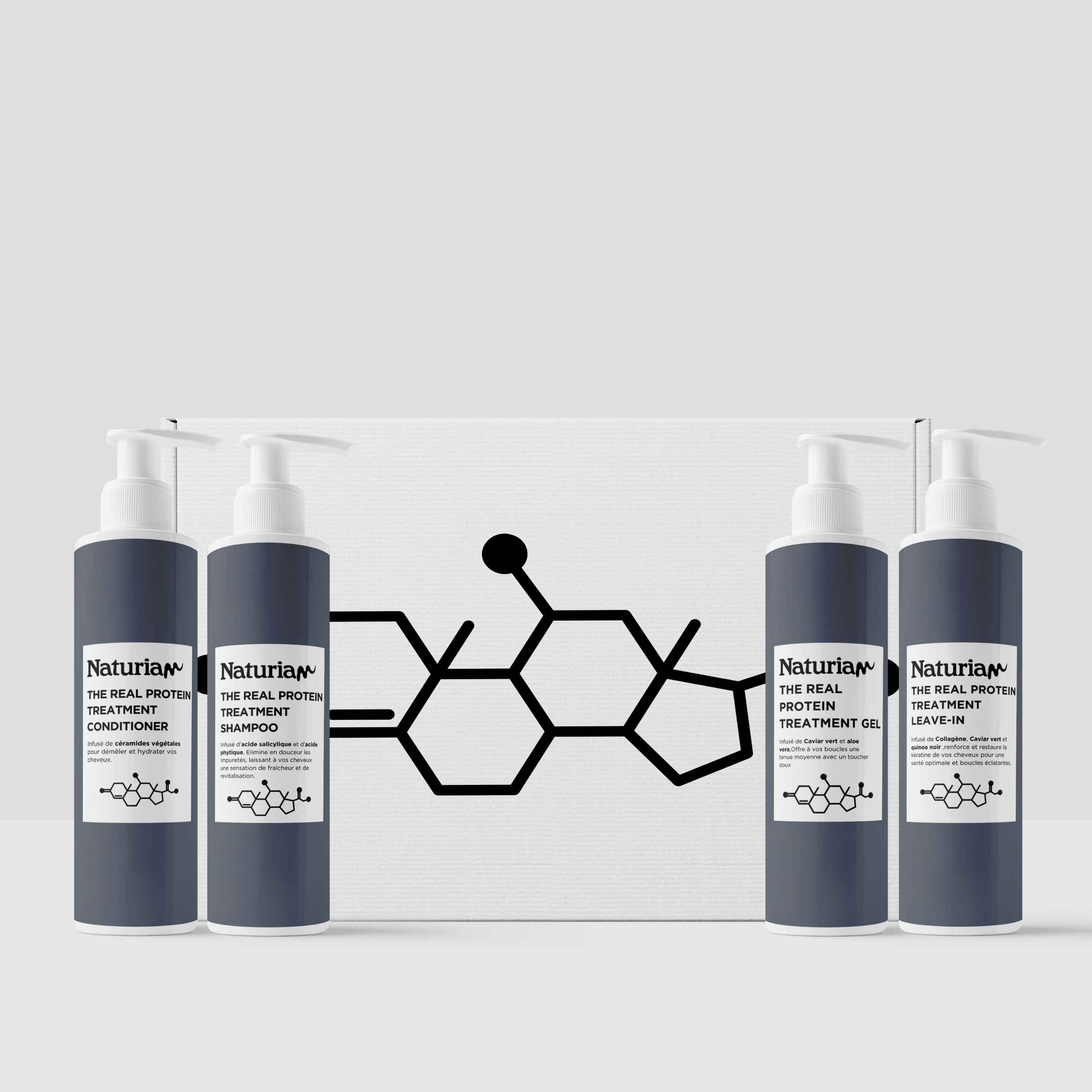
Protein Hair Care / Routine for Coily or Colored Hair
Make your routine in just four steps
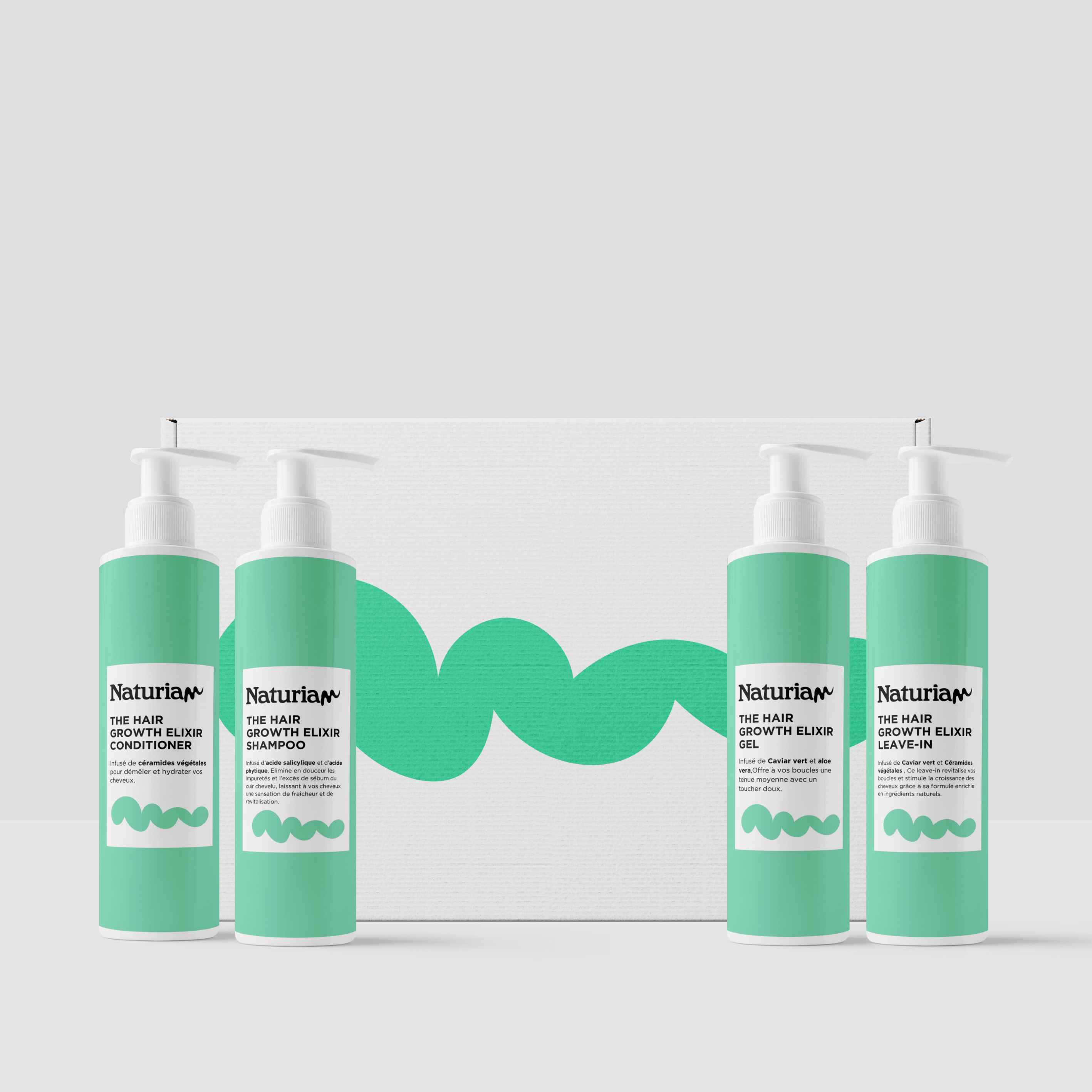
1. Wash 2. Condition 3. Style 4. Set
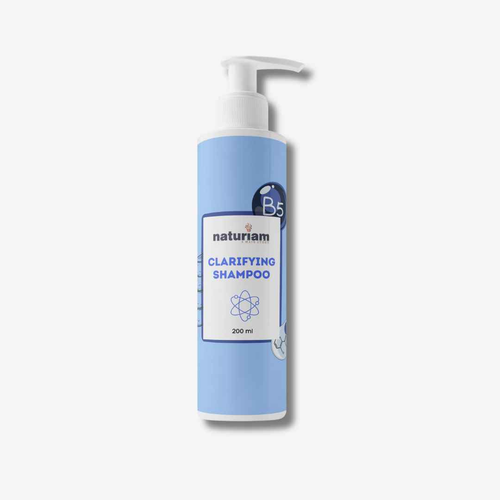
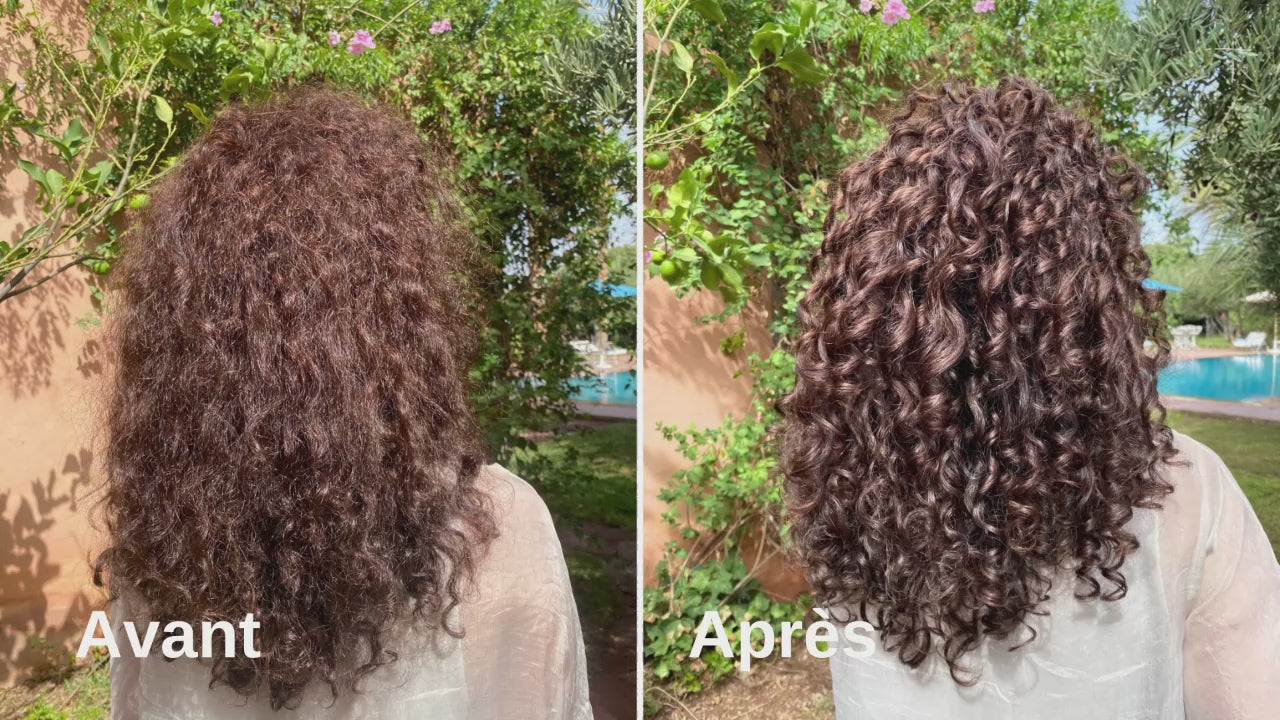
Results that make a difference
Providing the best for your curls. We select quality ingredients to create treatments that are both effective and gentle on your hair. Each formula is tested and approved to guarantee visible results, without compromising the health of your curls. Because you deserve products that combine performance and well-being.
They Talk About Us
Our customers appreciate their wash-days
1. Cleanse gently with shampoo
2. Hydrate and repair with the mask
3. Define your curls with leave-in
4. Fix and enhance with gel
Naturiam, more than a brand, a story of curls and passion.
We Answer You!
Do you have a question before placing your order? Need advice after your purchase? We're always here for you! Whether it's to guide you in choosing your products or to help you after your order, don't hesitate to contact us. Your satisfaction is our priority!
How long does delivery take?
Delivery is usually made within 1 to 2 days , depending on your location. In Casablanca and its surrounding areas, it takes approximately 24 hours . For other cities, the delivery time generally does not exceed 48 hours.
What are the delivery costs?
Delivery is free for orders over 300 DH . For orders below this amount, the delivery charge is 30 DH .
What payment methods do you accept?
You pay on delivery with the option to open your package , check its contents, then pay in cash .
Which product should I choose for my hair?
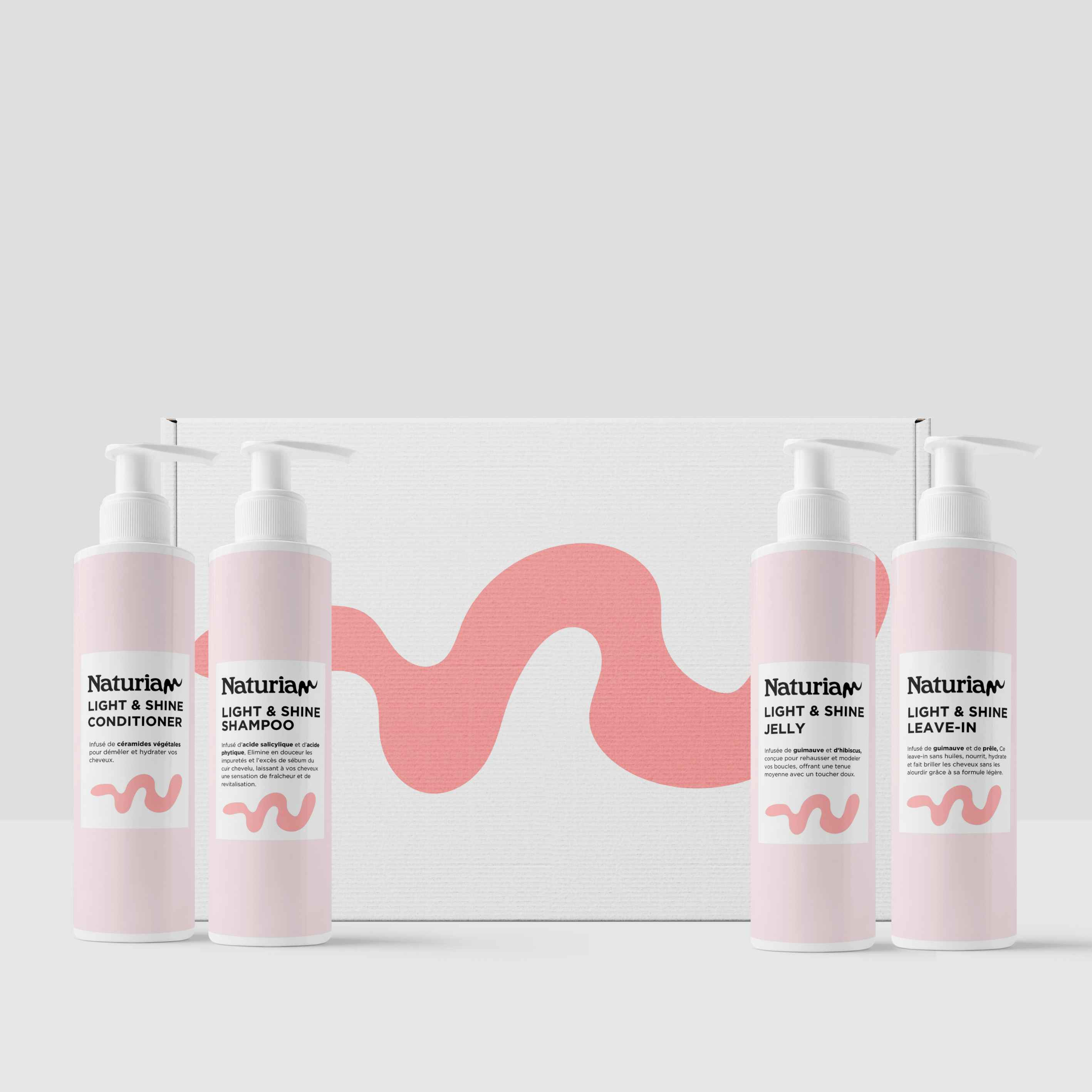
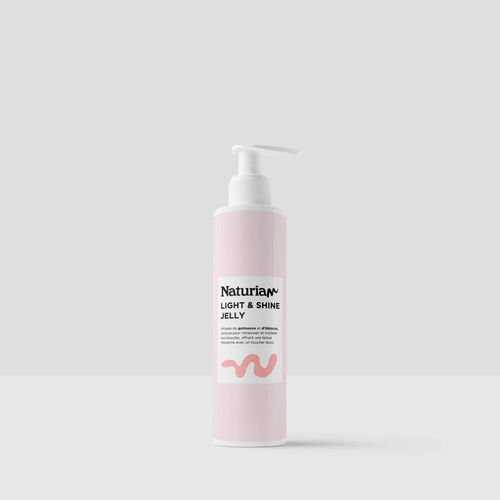
- 🌸 Light & Shine range (pink) : ideal for wavy or fine hair.
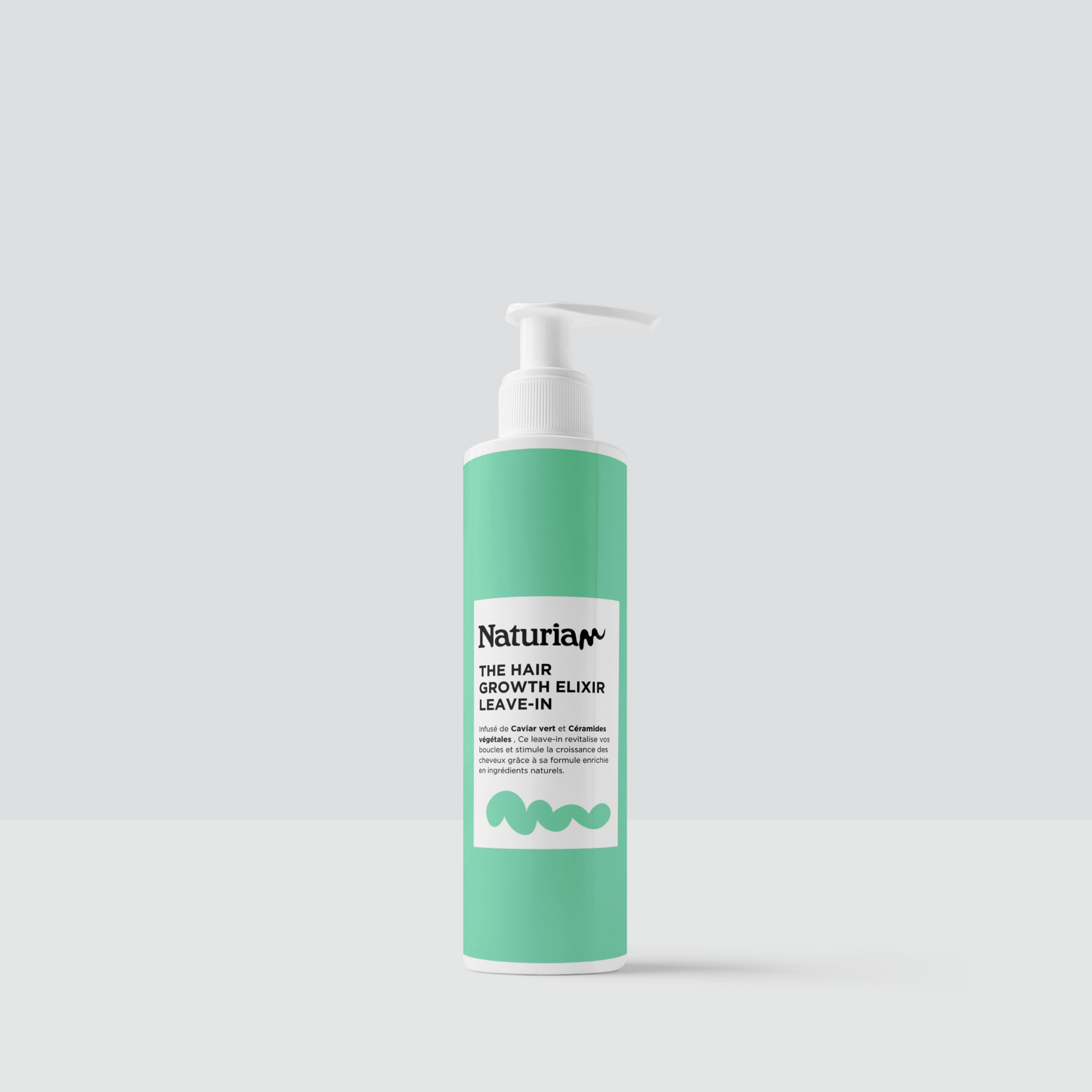
- 🍃 Curly Hair Range (green) : perfect for curly hair.
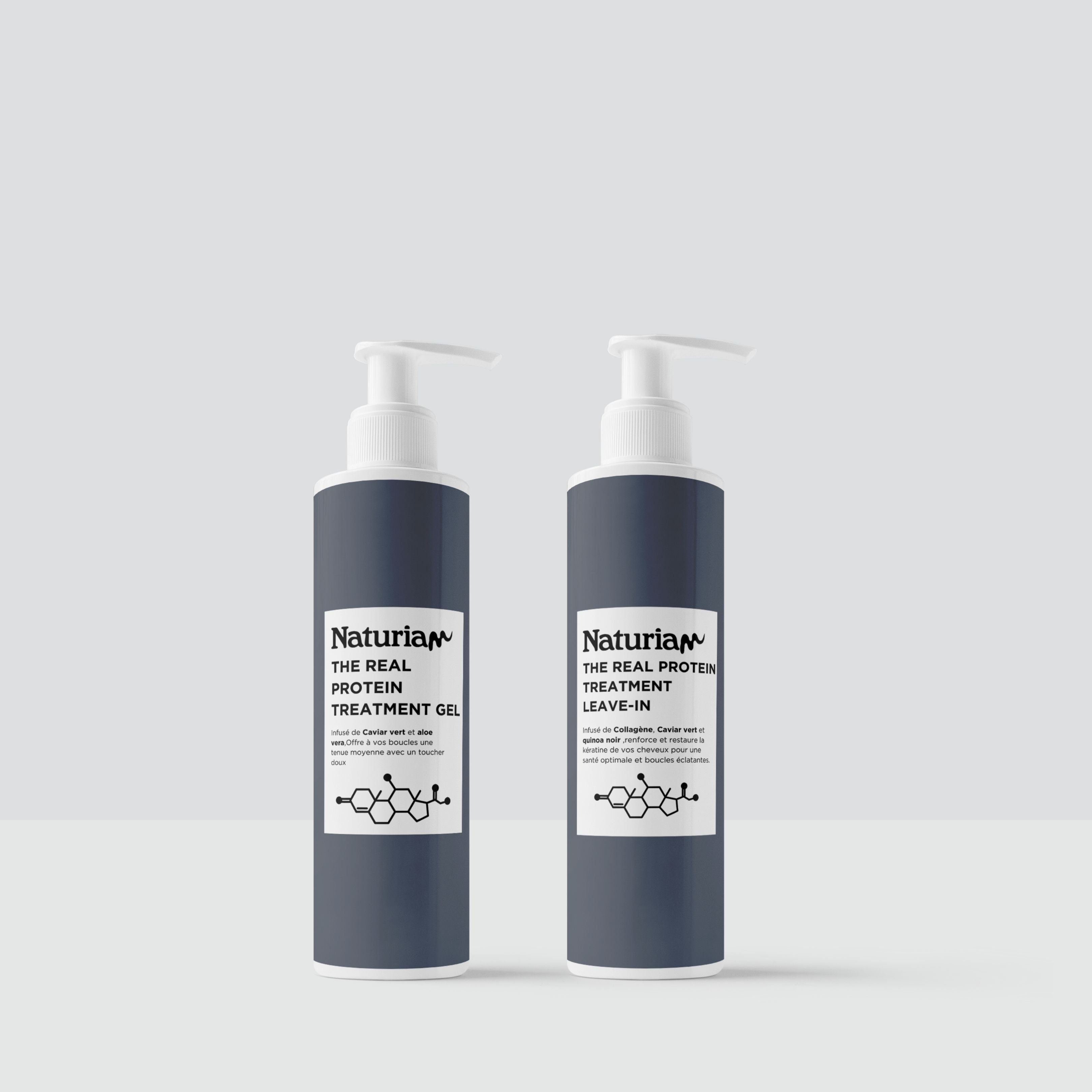
- 🩶 Le Vrai Traitement Protéiné range (grey) : recommended for coloured, transitioning or frizzy hair.
If you're still unsure, just send us a picture of your hair on WhatsApp, and we'll help you choose the most suitable products! 📸✨
Useful articles
Defining Your Curly Hair Type: The Complete Guide
Quick Summary Every curl is unique! Knowing if your hair is 2A, 3B, or 4C helps you choose the right care and avoid damaging mistakes. Discover how to identify your curl type, test porosity, and create a natural routine for hydrated, defined, and vibrant curls, even under the Moroccan sun and hard water. 1. The 2A to 4C Classification: Identify Your Profile Before choosing the right products, it's essential to understand your curl type. Each hair type has its specific needs, and quick visual identification can help you better adapt your Naturiam routine. Curl types Type 2 – Wavy (2A to 2C): These hairs have slight waves to a "beach hair" effect. Challenge: maintain natural volume and movement without weighing down the waves. Type 3 – Curly (3A to 3C): Spiral or corkscrew curls, moderately tight. Challenge: tame frizz while maintaining perfect curl definition. Type 4 – Coily (4A to 4C): Very tight curls, Z-shaped or small springs. Challenge: fight extreme dryness and shrinkage while preserving suppleness. Summary table: Diagnosis, Needs and Frequent Errors Type Visual Texture Main Need Recommended Naturiam Product Frequent Error 2A - 2C S-shaped waves Volume & Lightness Leave-in + Marshmallow Jelly Products too heavy that flatten the waves 3A - 3C Defined curls Hydration & Bounce Curly Hair Routine Brushing or manipulating dry, which breaks the curls 4A - 4C Tight spirals / Z Nutrition, repair & Suppleness Protein Mask + Protein Leave-in Neglecting hydration or using too much heat 2. Beyond curl type: Its size Knowing your curl type (2A to 4C) is not always enough. Hair thickness (fine, medium, or thick) plays an essential role in how your hair reacts to products and care. How to tell if your hair is fine, medium, or thick? Fine hair Your hair is almost invisible when you hold it between your fingers. It's light, soft, but tends to lack volume and get greasy quickly. Tip: avoid heavy products, prioritize light textures. Medium hair (normal) It's neither too fine nor too thick. Easy to style, it generally holds curls well and tolerates different types of products. Tip: you can balance hydration and nutrition. Thick hair The hair is clearly visible and more resistant. It may seem dry or difficult to manage, but it holds the shape of the curls well. Tip: use rich products to nourish and control volume. Quick test: Take a single strand of hair between your fingers You barely feel it → fine You feel it slightly → medium You feel it clearly → thick Once you know your hair thickness, you can adopt a complete routine adapted to effectively hydrate, nourish, and define your curls. Discover the Naturiam curly hair routine 3. The 5 Mistakes That "Break" Your Curls (Regardless of Your Type) Even if you know your curl type and hair thickness, some habits can damage your curls daily. Here are the 5 most common mistakes to avoid: Using classic towels Thick towels rub hair and cause frizz. Opt for a microfiber towel or an old cotton t-shirt to gently dry your curls. Detangling dry No matter your hair type, dry detangling breaks the hair fiber and creates frizz. Prefer gentle detangling with your fingers or a wide-tooth comb on damp hair. Overusing heat Straighteners and irons permanently alter the natural structure of your curls. Limit heat and always use a heat protectant. Neglecting the scalp A healthy scalp promotes vibrant curls. Cleanse and exfoliate regularly with gentle products, ideally containing salicylic acid. Sleeping on cotton Cotton absorbs moisture and forms knots. Prefer a satin or silk pillowcase to preserve your curls and reduce frizz. 4. Which Naturiam routine for my Hair Type? Adopting a routine tailored to your hair type is essential for healthy, hydrated, and defined curls. Here's a clear guide according to each profile: Hair Type Routine / Key Treatments Adapted Routine Techniques / Methods Objective / Expected Result Wavy (2A-2C) Light, water-based textures (Marshmallow Aloe Vera, Horsetail) Pink Routine Apply to damp hair, avoid heavy products Natural volume, light and airy waves Curly (3A-3C) Vegetable ceramide, green tea, plant extract Green Routine Scrunching or with brush, leave-in + gel Defined, supple, and bouncy curls Coily (4A-4C) Amino acids Deep repair and hydration Gray Routine Long-lasting hydration, sealed with oil + L.O.C Method (Liquid, Oil, Cream) Nourished, hydrated curls and less shrinkage To complete your routine, discover our collections of products for each hair type and give your curls the hydration they deserve 5- Curls in Morocco: what water and climate really do to your hair Living in Morocco means exposing your curls to unique factors like intense sun, dry air, or hard water. These elements can alter the texture, health, and appearance of your hair if you don't protect them properly. Hard water: a real challenge for curls The lime present in tap water or hammams can dry out your hair, making curls frizzy and dull. Solution: rinse your hair with filtered or lukewarm water, use hydrating treatments and suitable leave-ins to restore balance. Intense sun: beware of UV rays In southern Morocco, the sun can weaken the hair fiber and increase the risk of breakage. Tip: use protective sprays like “L’Oréal Professionnel Thermo-modeling Spray or ghd Heat Protect Spray”, light oils or hats to protect your curls from UV rays. Dry air and heat Hot and dry air promotes moisture loss and shrinkage (curls contracting). Advice: regularly hydrate your hair and apply oils or gels to seal in water and keep curls supple. Treatments adapted to the Moroccan environment Adjust your routine according to the season and exposure to sun or hard water. Combine hydration, protection, and hold for radiant curls despite the climate. Curls not holding? Discover the 7 common mistakes and how to fix them for defined, bouncy, and long-lasting hair Conclusion Knowing your hair type is the first step towards vibrant, hydrated, and lively curls. Each curl has its specific needs, and adapting your routine to your profile allows you to avoid frizz, breakage, and dryness. Discover the Naturiam.ma shop and find the perfect pack for your curls! FAQ - Frequently Asked Questions Does hammam water damage curls? Yes, hot, hard water can dry out your hair and weaken curls. Remember to rinse with lukewarm water and apply a moisturizing treatment after the hammam. Can I have multiple curl types on the same head? Absolutely! It's common to have different textures, but generally there's a dominant texture that serves as the basis for choosing the appropriate routine. Can my hair type change over time? Yes, your hair can evolve with age, hormones, or the care it receives. Stay attentive to its behavior to adjust your routine. What characterizes coily hair? Coily hair forms spiral curls, has a medium texture, can dry out easily, and requires moisturizing care to remain supple and defined. How to define my curls naturally without heat? Use light moisturizing products, scrunch your curls on damp hair, and let them air dry or under a gentle diffuser. Avoid straighteners and opt for gentle methods like the L.O.C technique or twist-outs for coily hair.
Learn moreWhy won't your curls hold? 7 mistakes that stop them from being defined
Quick Summary You follow a routine, you use the right products... but your curls remain frizzy, undefined, or quickly lose their bounce? The problem doesn't always come from your hair, but often from small, invisible mistakes that sabotage your daily routine. In this article, you will discover the 7 mistakes that prevent your curls from holding, and most importantly, how to correct them to get defined, bouncy, and long-lasting curls from the next wash. 1. Applying to hair that is too dry The problem: Curls form with water. If you apply your products to simply damp hair, frizz has already set in... and definition won't hold. Why it doesn't work: Without enough water, products don't distribute properly, and curls cannot form evenly. The result: frizzy, lifeless hair. The solution: Apply your styling products to very wet hair (Super Soaker method or Abbey Yung method). Your curls will immediately be more defined and bouncy. Always keep a water spray bottle handy during styling to re-dampen strands if necessary. 2. Using products too heavy for your porosity The problem: Applying rich products like shea butter or thick oils to fine or low-porosity hair. Why it doesn't work: These heavy textures smother the hair fiber. Hair doesn't absorb treatments properly, and curls lose their lightness. The result: Saturated, sticky curls that lengthen under the weight of the products and lose their bounce. The solution Learn to differentiate between: Hydration: water, aloe vera (light, essential for definition) Nourishment: oils, butters (to be adapted according to your hair type) Opt for light textures if your hair is fine or has low porosity. 3. Skipping the "Scrunching" step The mistake: Applying your products by simply smoothing your hair downwards. Why it's a problem: This action breaks the natural curl pattern and prevents definition from forming correctly. The right technique: Scrunching involves pressing the ends towards the roots to activate and "set" the curl shape. If you hear a slight "scratch-scratch" sound, it's a good sign: your hair is well-hydrated and ready to form defined curls. 4. Not creating a "Cast" (Protective film) The myth: "Gel makes hair stiff, I don't want it." The reality: Gel creates a thin layer called a "cast", which protects the curl during drying. Without this barrier, ambient humidity quickly destroys definition. Why it's essential: The cast acts as an anti-frizz shield and allows curls to maintain their shape longer. Once hair is 100% dry, break this cast by scrunching with a drop of oil to restore soft and shiny curls. 5. Touching your curls while drying The sabotager: Running your fingers through your hair or moving the diffuser too much during drying. Why it blocks definition: This breaks the "clumps" (groups of strands) before they are set, which creates frizz and a loss of definition. The golden rule Do not touch your hair until it is 100% dry. The more patient you are, the more defined your curls will be. 6. Product buildup (The need for clarification) The symptom: Your usual products no longer work, your curls become dull, heavy, or shapeless. The mistake: Only using co-washes or gentle shampoos without ever deep cleaning. Why it's a problem: Residue (build-up) prevents water and treatments from penetrating the hair fiber correctly. Use a clarifying shampoo (gentle sulfates) or a clay mask for a softer cleanse. 7. Ignoring the impact of hard water and local climate The invisible problem: In Morocco, your curls are subjected to specific aggressions depending on the region: Coastal humidity (Casablanca, Rabat) → curls tend to swell and lose their definition. Dry heat (Marrakech, Agadir, inland) → hair dehydrates and becomes brittle. Hard water → mineral deposits "smother" the curl and prevent bounce. The mistake Following online routines exactly without considering the local climate and water. The solution Against hard water: Finish rinsing with a mixture of water and apple cider vinegar to neutralize deposits. Use a maximum of once a month to avoid weakening the hair fiber. Against humidity: Choose glycerin-free gels like Marshmallow Jelly in winter or near the sea to prevent swelling. Against dry heat: Boost hydration with a light leave-in + vegetable oils to seal water into the fiber. Summary Table: Mistake vs. Correction Mistake Consequence Corrective Action Ignoring hard water and local climate Dull curls, frizz, and lack of bounce Final rinse with apple cider vinegar or filtered water. Choose gel according to humidity (glycerin-free by the sea, light for dry heat). Applying the same routine as online Ineffective products, flattened curls Adapt the routine to your curl type and local environment. Towel drying with cotton Immediate frizz Use a microfiber towel or an old T-shirt to gently squeeze out water. Too much product at the roots Flat volume, greasy effect Apply products 2 cm from the scalp and concentrate on lengths and ends. Sleeping on cotton Tangled and brittle curls Silk or satin pillowcase to protect hair. Skipping "scrunching" Poorly defined curls Press strands towards the roots on soaking wet hair to activate curl memory. Product buildup Heavy, lifeless curls Clarifying shampoo 1 to 2 times a month depending on porosity and local hard water. Conclusion The definition of your curls depends as much on techniques and gestures as on products adapted to your hair type and environment. Understanding common mistakes allows you to achieve bouncy, hydrated, and long-lasting curls, even in the Moroccan climate. If you are resetting your routine, start by identifying your porosity, as this is the variable that conditions all other product choices. And if your curls are struggling to reform after years of straightening, consult our complete guide to hair transition. FAQ: Frequently Asked Questions Why aren't my curls defined despite my products? Often, it's a combination of factors: humidity, product buildup, application on hair that is too dry, or inadequate techniques (scrunching, diffusing). How can I get well-defined, frizz-free curls? Hydration, scrunching, light gel for the cast, and overnight protection (silk/satin). Why do my curls fall flat a few hours after drying? Curls often fall flat due to excessive product weight or glycerin reacting to ambient humidity. Adapting your gel formula to the climate is key. Is it possible to get defined curls on damaged hair? Yes, with patience: clarification, deep hydration, repairing treatments, and gentle techniques. Curls can gradually regain their bounce and definition.
Learn moreAbbey Yung's Curly Hair Method: What Really Works
Quick Summary The Abbey Yung method is an 11-step hair routine created by a certified trichologist, which went viral on TikTok in summer 2025. It was designed for highly damaged and high-porosity hair, not specifically for straight hair or curls. In this guide: what the method truly involves, which steps are suitable for curly hair and which should be avoided, how to simplify it into 3 essential steps, and how it differs from the Curly Girl Method. What exactly is the Abbey Yung method? Abbey Yung is a hair influencer and certified trichologist, known for her scientific and accessible approach, which helps her followers understand how to properly care for their hair. How the method went viral Date: June 2025 Platform: TikTok Impact: over 13 million views Its popularity stems from its promise: repaired and strengthened hair, even after years of damage. The method's objective The method does not aim to make hair grow faster. It seeks to reduce breakage to maintain length and improve hair fiber health from the inside via bond repair – the repair of protein bonds damaged by heat or chemical treatments. Expected result: more resistant, shinier, and less frizzy hair. Can't define your curls? This often comes from bad habits. Discover The 7 mistakes that block their definition. The method in numbers 11 steps in total 3 essential steps to get started: gentle shampoo, conditioner, and leave-in Other steps are optional, depending on your hair type and condition The 4 phases of the method The Abbey Yung method consists of four phases that work together to repair and strengthen the hair fiber. Phase 1: Before the shower Apply a pre-shampoo treatment (bond repair spray) for 10 to 15 minutes, twice a week. For very dry hair, add a pre-shampoo oil to the lengths. This step prepares your hair for washing and limits breakage. Phase 2: In the shower Alternate between a clarifying shampoo (at least once a week) and a gentle shampoo as needed. After washing, apply a post-shampoo bond repair treatment, then a conditioner or mask to nourish and strengthen the hair fiber. Phase 3: After the shower On towel-dried hair, apply a leave-in to protect and hydrate. Depending on your needs, use stylers for styling, then a serum or light oil to seal in moisture. Phase 4: Between washes Apply a scalp serum with peptides and growth-stimulating active ingredients. Adopt gentle practices: silk scrunchies, no aggressive brushing, to avoid weakening your hair. Is the Abbey Yung method suitable for your curls? The Abbey Yung method was designed for straight hair, but some steps can be adapted for curls to strengthen and repair the hair fiber. It's important to distinguish what is useful and what can be modified: What can help your curls Pre-shampoo bond repair treatment (Phase 1): useful for protecting your curls before washing. Gentle shampoo and repairing mask (Phase 2): deep hydration and repair without weighing down your curls. Leave-in and light serum (Phase 3): protects curl shape and limits frizz. What is less suitable Excessive heat or straightening stylers: these steps are not recommended for curls, as they can break their natural shape. Too frequent clarifying shampoo: can dry out curls; opt for once a month or as needed. Abbey Yung Method vs. Curly Girl Method: Key Differences Comparison Point Abbey Yung Method Curly Girl Method Sulfates Weekly clarifying recommended Completely excluded (mild sulfates sometimes tolerated) Silicones Not excluded — choose according to product Water-insoluble silicones excluded Heat Allowed with heat protection Not recommended, diffuser tolerated Bond repair Central to the method Not mentioned — focused on hydration Flexibility Adaptable framework, no strict rules Strict list of forbidden ingredients For whom? Damaged / high porosity hair All curly / coily / kinky textures Both methods are compatible if you choose products without water-insoluble silicones and harsh sulfates for the Abbey Yung steps, making them complementary rather than opposite. 3 mistakes to avoid when adapting the Abbey Yung method to curls Mistake Explanation Tip for curls 1 — Wanting to do everything from day one The method has 11 steps, but only 3 are truly mandatory (shampoo, conditioner, leave-in). Starting with all steps from the beginning can be daunting. Start with the 3 essential steps and gradually add others as needed. 2 — Neglecting clarification Many curly-haired individuals avoid strong shampoos for fear of dryness. This creates build-up that blocks hydration and the effectiveness of treatments. Use a clarifying shampoo at least once a month to prepare your hair for reparative treatments. 3 — Applying bond repair treatments to overloaded hair Repairing active ingredients do not penetrate properly if the hair is already laden with products. Always clarify your curls before using bond repair treatments to ensure flexibility and effectiveness. To complete your routine and learn more about restoring and defining your curls, discover our Ultimate Guide to Rediscovering Your Curls. Conclusion: The Abbey Yung method can be effective for repairing and nourishing your hair, but not all steps are suitable for curls. By choosing the essential steps, clarifying regularly, and respecting the nature of your curls, you will achieve stronger, more defined, and frizz-free hair. To help you in this process, Naturiam collections are formulated for each curl profile, without having to recreate a product list step-by-step. FAQ: Frequently Asked Questions Does the Abbey Yung method work on coily hair? Yes, coily hair particularly benefits from bond repair treatments, especially if the hair fiber is weakened. Adjust the frequency according to your hair's condition. Can you follow the method without bond repair? Yes, it is possible to focus on gentle washing, conditioner, and leave-in. Curls will remain defined and hydrated, with visible results gradually appearing. How long before seeing results? Generally, 4 to 6 weeks are enough to observe more shine, less frizz, and better-defined curls. Consistency is key. Is the method compatible with the Curly Girl Method? Yes, provided you replace products containing sulfates and silicones with suitable alternatives. The leave-in + hydration approach remains compatible with the Curly Girl method.
Learn moreComment Entretenir les Cheveux Bouclés des Enfants avec des Soins Naturels
Bienvenue dans le monde merveilleux des boucles et ondulations ! Dans cet article, nous allons explorer comment prendre soin, de manière naturelle, des cheveux bouclés de nos enfants. Que vous soyez à la recherche de soins doux, de produits adaptés ou de conseils spécifiques pour entretenir les boucles, cet article est pour vous. Les soins pour cheveux bouclés naturels sont essentiels pour préserver l'intégrité et la beauté des boucles de vos enfants. Dans la culture marocaine, des ingrédients comme la racine de guimauve, le pois-mange-tout vert et l'hibiscus sont depuis longtemps des alliés précieux pour des routines capillaires efficaces et naturelles. Plongeons donc dans ce voyage capillaire.Les Fondamentaux des Soins Cheveux Bouclés NaturelsPourquoi Opter pour des Produits Naturels?Utiliser des produits naturels permet de respecter le cuir chevelu fragile de l’enfant et de maintenir ses boucles bien définies. Les options naturelles sont souvent riches en hydratation, ce qui est crucial pour les cheveux bouclés, connus pour être secs. La racine de guimauve, par exemple, est exceptionnelle pour définir les boucles naturellement.Routine Cheveux Bouclés : Un Rituel Quotidien Hydratation des Cheveux Bouclés: L'hydratation est la clé d’une chevelure resplendissante. Utilisez des ingrédients naturels tels que le collagène et le caviar vert pour nourrir et renforcer les fibres capillaires. Vous pouvez essayer le Leave-in aux collagène et caviar vert pour une hydratation en profondeur. Définir les Boucles Naturellement: Une routine cheveux bouclés qui respecte la nature des boucles est essentielle. Le Gel coiffant aux protéines est un allié de taille pour préserver les boucles toute la journée sans frisottis. Nettoyage en Douceur: Utilisez un shampoing clarifiant pour enlever les résidus sans assécher les cheveux. Le Shampoing clarifiant de Naturiam est parfait pour cet usage. Comment Définir et Préserver les Boucles des Enfants?Techniques Naturelles Anti-FrisottisLe climat marocain, souvent sec, peut parfois mettre à rude épreuve les cheveux bouclés. Commencez par appliquer des produits à base d’ingrédients naturels, riches et nourrissants, pour maîtriser les frisottis. Produits Cheveux Bouclés Maroc: L’Art des Soins CulturelsLe Maroc offre une abondance de solutions capillaires issues de sa riche tradition botanique. Utiliser des produits conçus ici, comme ceux de Naturiam, permet de fusionner tradition et efficacité moderne.Réparer les Cheveux Abîmés par le Soleil et la MerLes enfants adorent jouer au soleil et dans l’eau, mais cela peut rendre leurs cheveux secs et cassants. Un bon Masque pour cheveux cassants aux ingrédients naturels peut faire des merveilles pour les réparer.Soins Cheveux Bouclés ColorésLes cheveux bouclés colorés nécessitent des soins spécifiques pour éviter que la couleur ne s’estompe rapidement. Les extraits de thé vert et de provitamine B5 protègent et préservent la vivacité de la couleur tout en hydratant.Routine Capillaire Cheveux Fins BouclésLes cheveux fins exigent une attention particulière. Optez pour une routine cheveux bouclés marocaines qui valorise leur légèreté tout en renforçant la fibre capillaire grâce à des produits comme le gel naturel à fixation légère.Conseils Pratiques pour Entretenir les Cheveux Bouclés d'EnfantsÉtablir une Routine AdaptéeUtiliser un Kit cheveux bouclés enfants pour instaurer une habitude de soins est une stratégie efficace. Vous aiderez ainsi votre enfant à appréhender les soins capillaires de façon plaisante et structurée.Lutter Contre le DessèchementIl est essentiel d'hydrater et/ou sceller l’hydratation à l'aide d'huiles légères. L’extrait d’hibiscus peut d’ailleurs aider à maintenir l'hydratation tout en renforçant l’éclat naturel des boucles.ConclusionEntretenir les boucles des enfants avec Nature et Tradition vous garantit des cheveux sains et épanouis. Faire le choix des produits naturels, comme ceux proposés par Naturiam, enrichis d'ingrédients de qualité, vous permet de transmettre à vos enfants une culture capillaire respectueuse et pleine de bon sens.Votre famille mérite le meilleur de la nature, enrichie par des traditions marocaines éprouvées. N'hésitez pas à parcourir notre collection de produits sur le site de Naturiam pour découvrir d'autres soins adaptés.En espérant que ces conseils vous aideront à transformer la manière dont vous soignez les cheveux bouclés de vos enfants, tout en préservant leur vitalité et beauté naturelle.👌
Learn more